Social entrepreneurs are uniquely positioned to develop bold, creative solutions to the most urgent challenges of our time. The Skoll Foundation strives to invest in leaders who are proximate to the communities they serve and who value collaboration to ensure their work is grounded in lived experience.
Our partners are designing and implementing scalable, locally driven programs to tackle the factors holding a problem in place. We primarily invest in three interconnected areas where evidence—and experience—show that social entrepreneurship can deliver transformational change in communities around the world.
Strengthening Global Health Systems Through Community Health
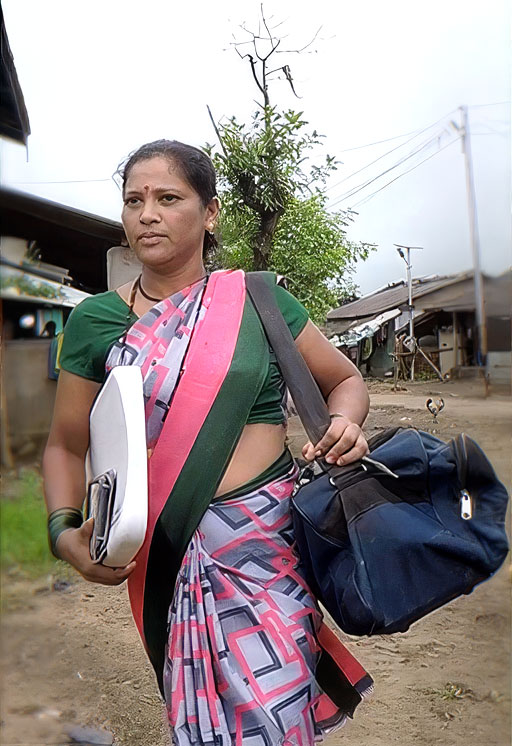
Despite decades of investment in global health initiatives, rates of life-threatening diseases like malaria and tuberculosis remain stubbornly high, and one billion people worldwide will never see a health worker. At the same time, 70 percent of community health workers, most of them women, remain unpaid and inadequately supplied despite clear evidence of their effectiveness in delivering lifesaving care to millions of people who would otherwise not be able to access health services.
Community health workers (CHWs) are on the frontlines of delivering essential primary care services, including administering vaccines and treatments and tracking disease outbreaks. Research shows that fairly paid, well-equipped CHWs—when paired with strong government partnerships—are the most effective, affordable way to extend quality health care to underserved communities worldwide. Our partners are professionalizing and integrating CHWs into national health systems and expanding access to community health care for the most vulnerable populations by securing policies, practices, and financing to enable greater scale.
Curbing Deforestation by Securing Indigenous Land Rights
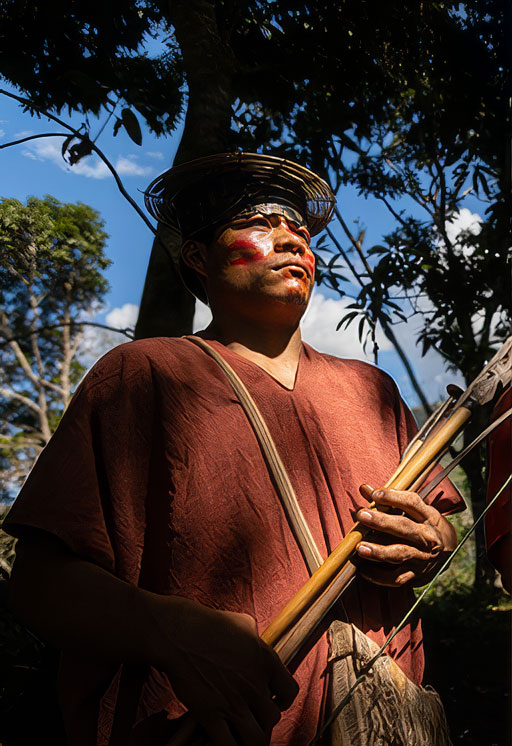
Tropical deforestation accelerates climate change, threatens biodiversity, and infringes on the rights of Indigenous Peoples, Afro-descendant peoples, and local communities who have lived in harmony with these forests for generations. Safeguarding forests in the world’s three most ecologically critical carbon sinks—the Amazon rainforest, the Congo Basin, and Indonesia—is essential to sequestering carbon emissions and minimizing planetary warming.
Extensive evidence shows that forests managed by Indigenous Peoples have better climate outcomes, including lower rates of deforestation, than lands managed through conventional conservation approaches. Yet these communities often lack enforceable legal rights to their ancestral territories. The Skoll Foundation supports social entrepreneurs and rightsholder networks working to secure and enforce legal land tenure for Indigenous communities, as well as cultivate climate-positive, forest-based economies to help Indigenous Peoples build stable livelihoods and protect their lands against extractive industries, such as mining and logging.
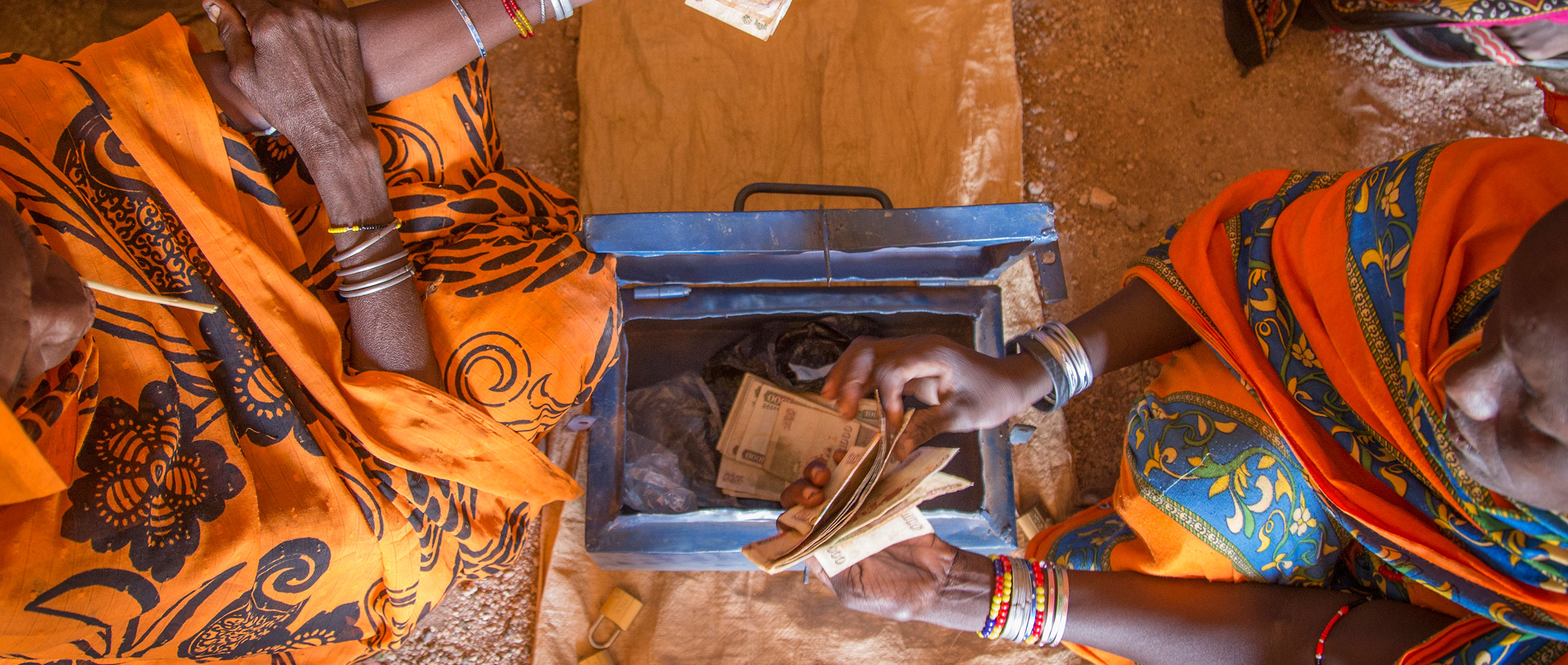
Worldwide, many millions of people are locked out of the educational and economic systems that could transform their lives. We partner with social entrepreneurs tackling this challenge from several angles: preparing the most underserved individuals to take advantage of new opportunities, building new pathways to connect low-resource communities with stable livelihoods, and strengthening employment prospects in responsible industries. Collectively, our partners in this portfolio are connecting individuals and families with the resources they need to build lasting economic security.
We primarily focus on two avenues:
Strengthening Smallholder Agriculture
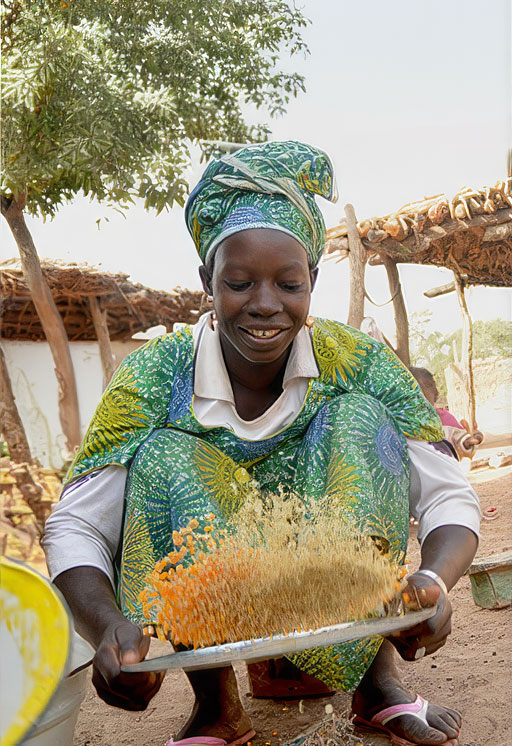
Smallholder farmers produce one-third of the world’s food but often lack access to the resources and opportunities that would enable them to build sustainable livelihoods. At the Skoll Foundation, we believe economic systems should value and support the people who feed their communities.
We’re investing in social entrepreneurs working to promote sustainable, climate-resilient agriculture by helping farmers around the world adapt to changing conditions while maintaining productivity. Our partners are connecting small farmers to markets so they can earn higher, more reliable incomes, offering financial tools so farmers can invest in their operations, and sharing agricultural innovations that equip farmers to increase their yields.
Despite progress in recent decades, girls face a host of barriers to accessing and completing their education, including economic pressures, cultural norms, and inadequate infrastructure. Connecting these girls to the resources they need to complete their education and access pathways to stable employment—such as skill-building or support to start entrepreneurial ventures—changes the trajectory of their lives, strengthens entire communities, and helps to break cycles of intergenerational and country-wide poverty.
We support social entrepreneurs who remove barriers and create pathways for girls to access education, develop leadership skills, and build economic independence. This includes supporting innovations that increase access to the classroom and employment training programs, as well as challenging harmful gender norms and practices that prevent girls and women from reaching their full potential.